THE TIME TRAVELER'S DOSSIER: THE ARCHITECT OF CAPITALISM AND THE AESTHETICS OF RUIN
The History
(THE HISTORY: The GM Empire, Sloan’s Scripture, and Weaver’s Brush )
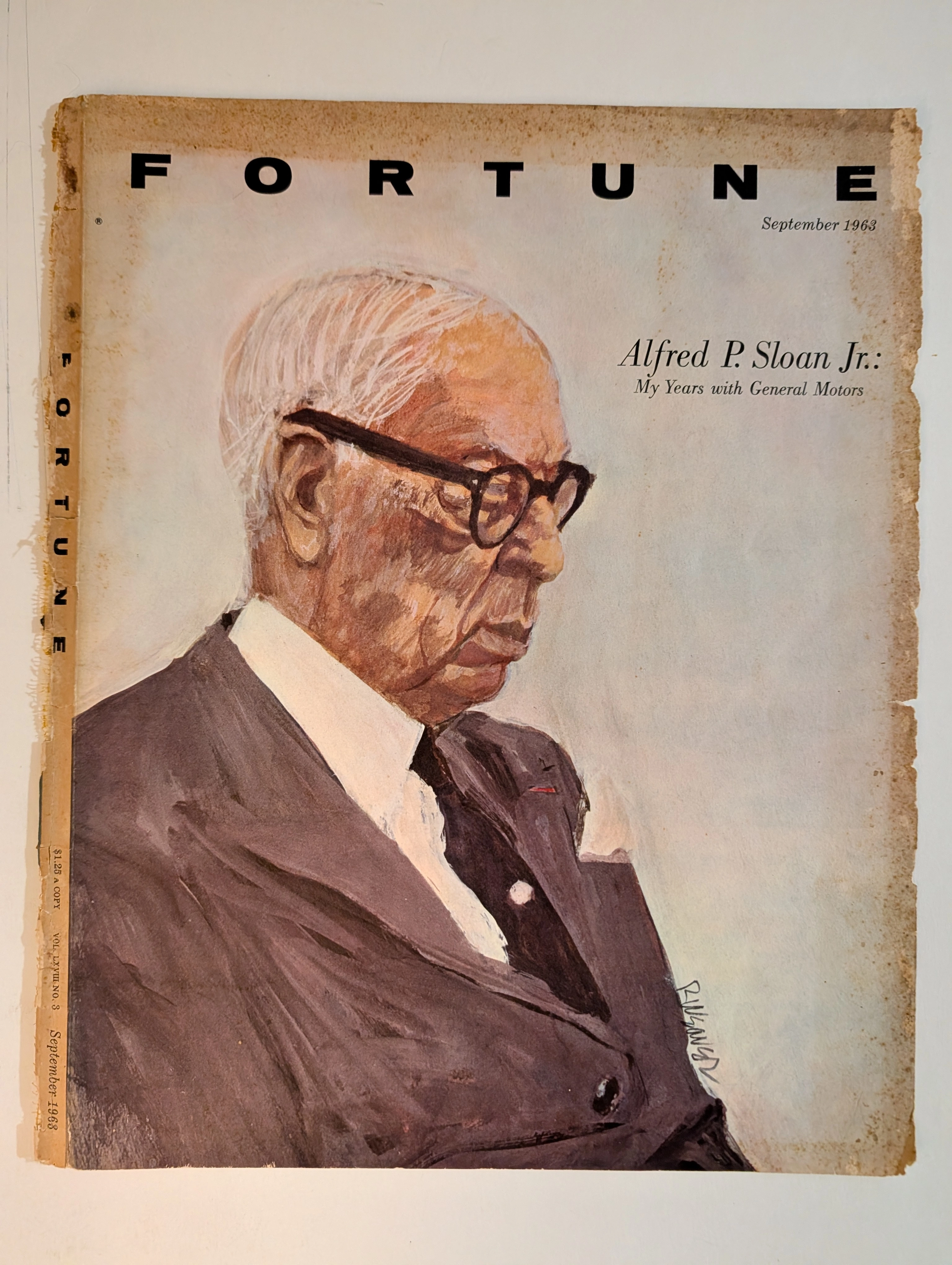
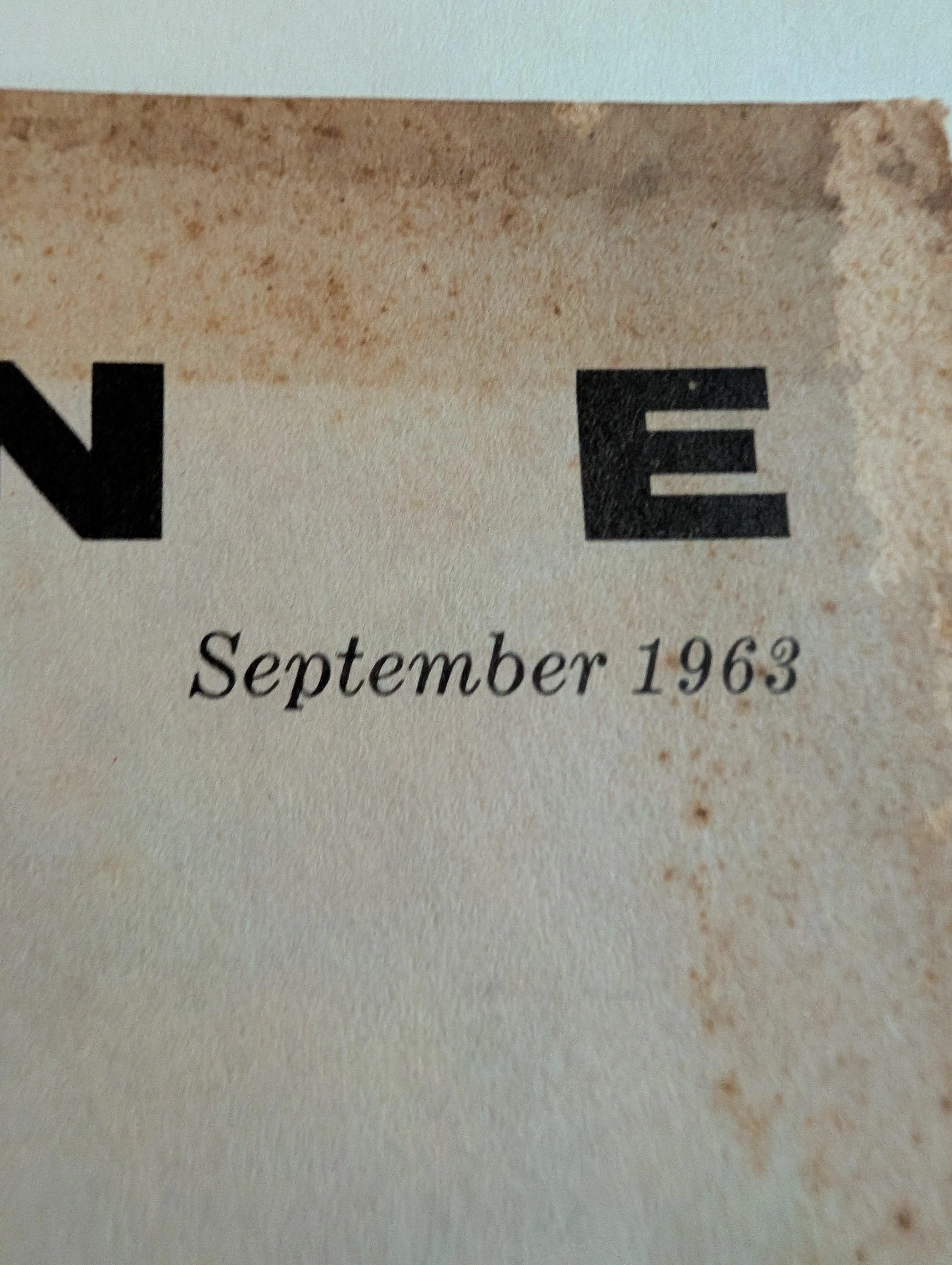
As the Chief Curator of The Record, I welcome you to the ultimate archive of capitalist history. The impeccably preserved Historical Relic before you is not merely a vintage magazine cover. It is a "Monument of Corporate Blueprinting." This Primary Art Document is the formidable front cover of FORTUNE magazine, dated September 1963—the absolute pinnacle publication for America's corporate elite.
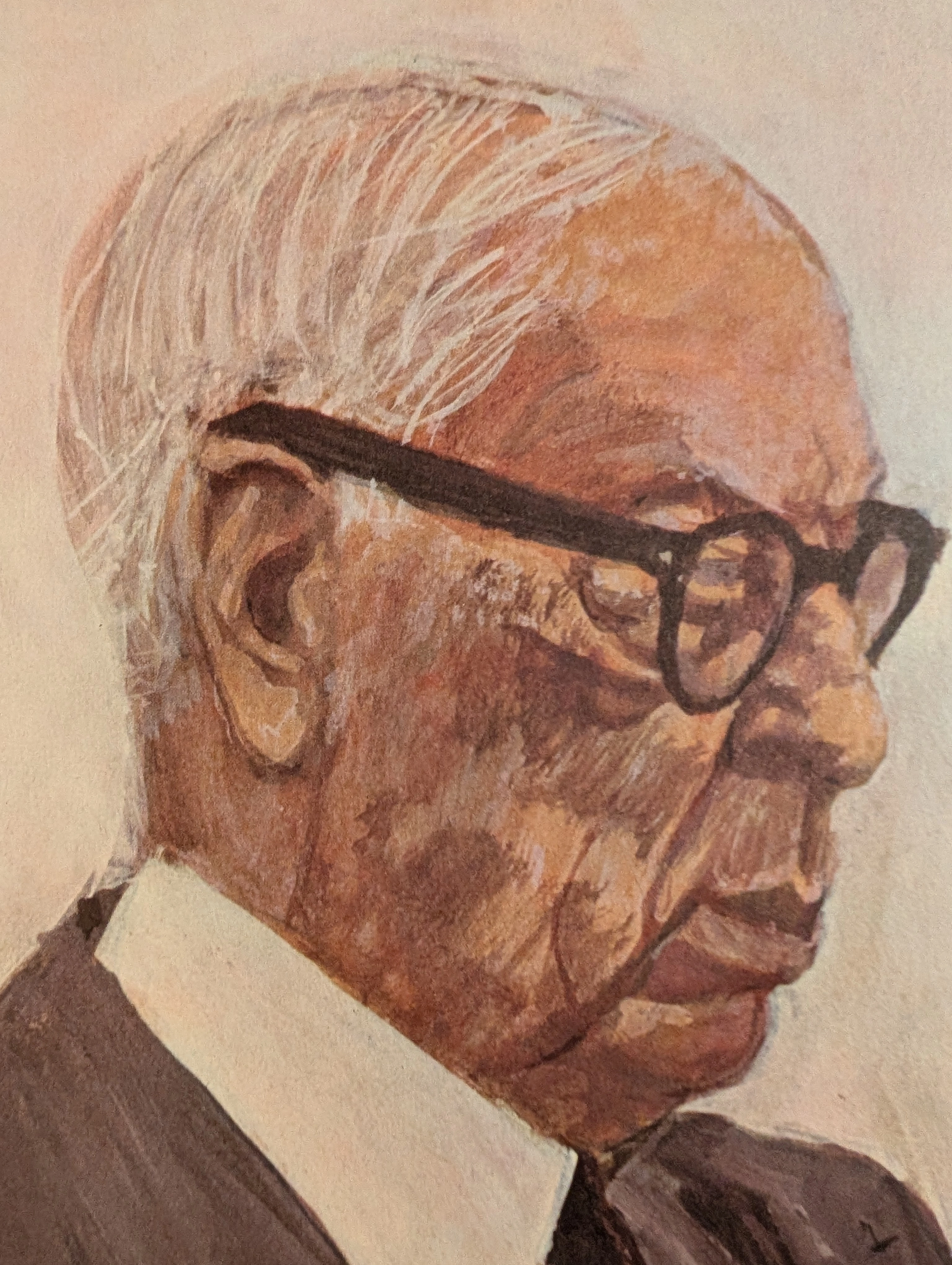
The bold typography announces: "Alfred P. Sloan Jr.: My Years with General Motors". The elderly, bespectacled man occupying the center of the canvas is a deity of the modern industrial age. Alfred P. Sloan Jr. was the visionary CEO and Chairman who transformed General Motors (GM) into the largest, most dominant corporation on the planet. He single-handedly invented the modern decentralized corporate structure and conceived the brilliant, ruthless strategy of "planned obsolescence" and "a car for every purse and purpose" to finally defeat Henry Ford.
In 1963, Fortune magazine secured the exclusive rights to serialize Sloan's highly anticipated memoir, My Years with General Motors, within its pages. This very text would go on to become the undisputed "Bible of Business Management," heavily praised by modern titans like Bill Gates. Owning the original cover that heralded the birth of this scripture is akin to possessing a holy relic of commercial history.
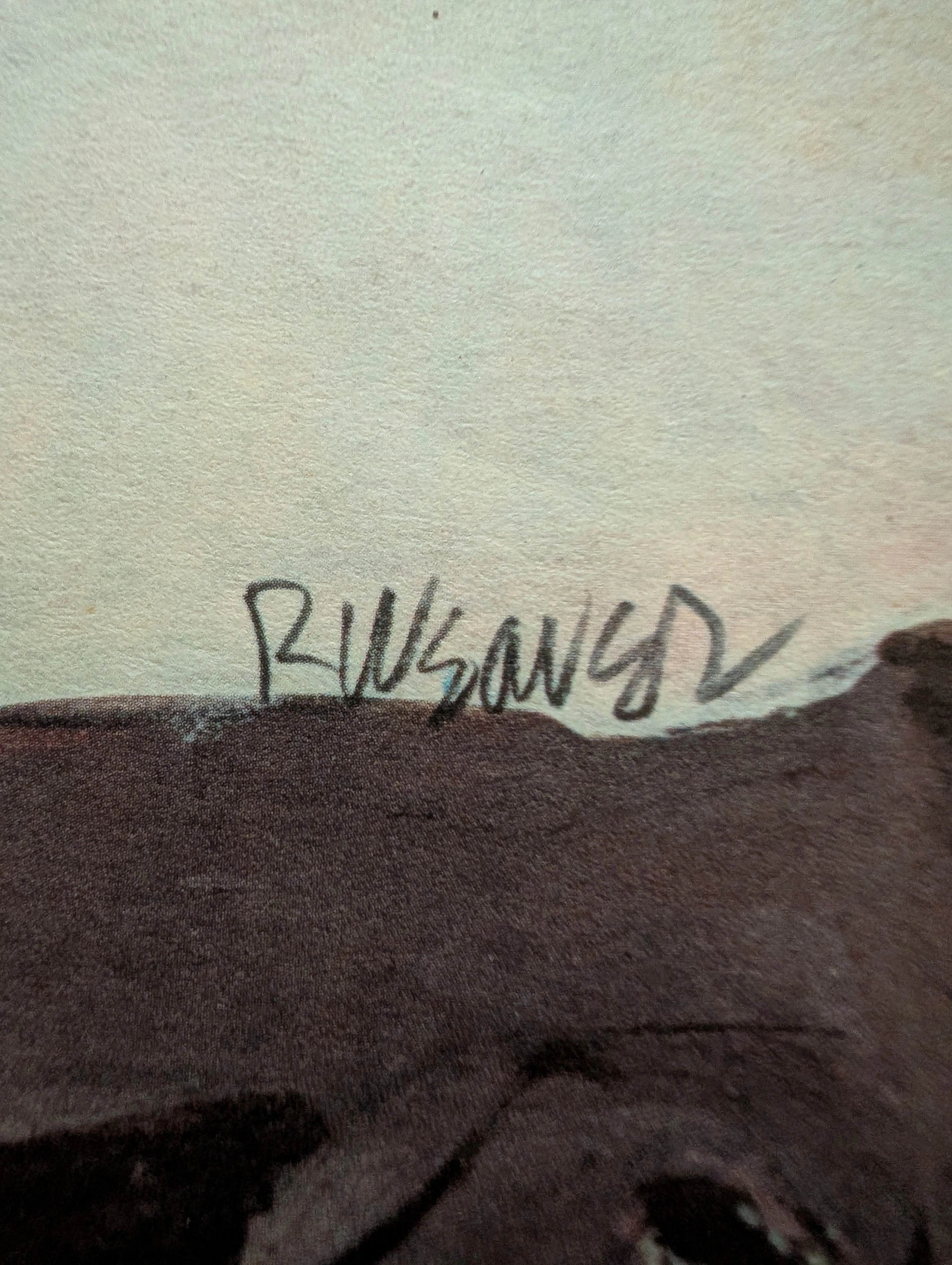
Furthermore, the evocative, gritty portrait was masterfully executed by Robert Weaver (whose distinctive signature 'R. Weaver' is embedded in the lower right). Weaver was a revolutionary pioneer of "Visual Journalism" in American illustration. He rejected the sanitized, overly polished commercial art of the 1950s, utilizing raw, expressive brushstrokes that captured the authentic, weary psychology of his subjects. Applying this rebellious, expressive fine-art style to the ultimate corporate capitalist creates a staggering historical and artistic juxtaposition.
(THE PAPER: The Aesthetics of Destruction (Wabi-Sabi) — The Collapse of Premium Stock
At The Record, we do not fetishize pristine, sterile modern reproductions; we fiercely worship the "Scars of Time." This 60-year-old Primary Document is the ultimate physical manifestation of the Japanese philosophy of wabi-sabi—finding profound beauty in impermanence and decay. Fortune utilized a distinctly heavy, premium paper stock to project an aura of unshakeable corporate power. But in the analog world, everything has an expiration date.
Direct your analytical gaze to the right and bottom margins: witness the severe edge fraying, the jagged paper loss, and the aggressive biological deterioration. This is not damage to be hidden; it is the unforgeable "Signature of History." Over the decades, the inherent lignin within the wood-pulp has engaged in a relentless chemical war with ambient oxygen. This oxidation process has birthed a deep, burning amber patina and moisture mottling that creeps inward from the edges. This profound fragility creates a poetic paradox: while Sloan’s corporate legacy was built to be immortal, the very paper celebrating him is literally burning itself alive at a molecular level. Preserving it is an act of freezing this magnificent chemical destruction in time.
( THE RARITY: Class A — The Boardroom Artifact )
Fortune covers, especially those carrying monumental historical texts, were not mass-disposable media; they were hoarded, but rarely survived intact without suffering catastrophic environmental damage. The survival of this specific Primary Document—documenting the debut of the greatest business book of the 20th century and painted by a legendary illustrator—elevates it to the highest echelons of archival collecting.
Fusing its paramount importance to the history of global corporate management, the prestige of Robert Weaver’s fine art, and the breathtaking visual trauma of its analog decay, this artifact unequivocally commands a Rarity Class A designation. It has evolved far beyond commercial ephemera. It is a highly coveted Historical Relic, demanding to be framed and possessed by a discerning visionary who understands the heavy, beautiful weight of capitalist history.
The Archive Continues
Continue the Exploration
Christian Dior · Fashion
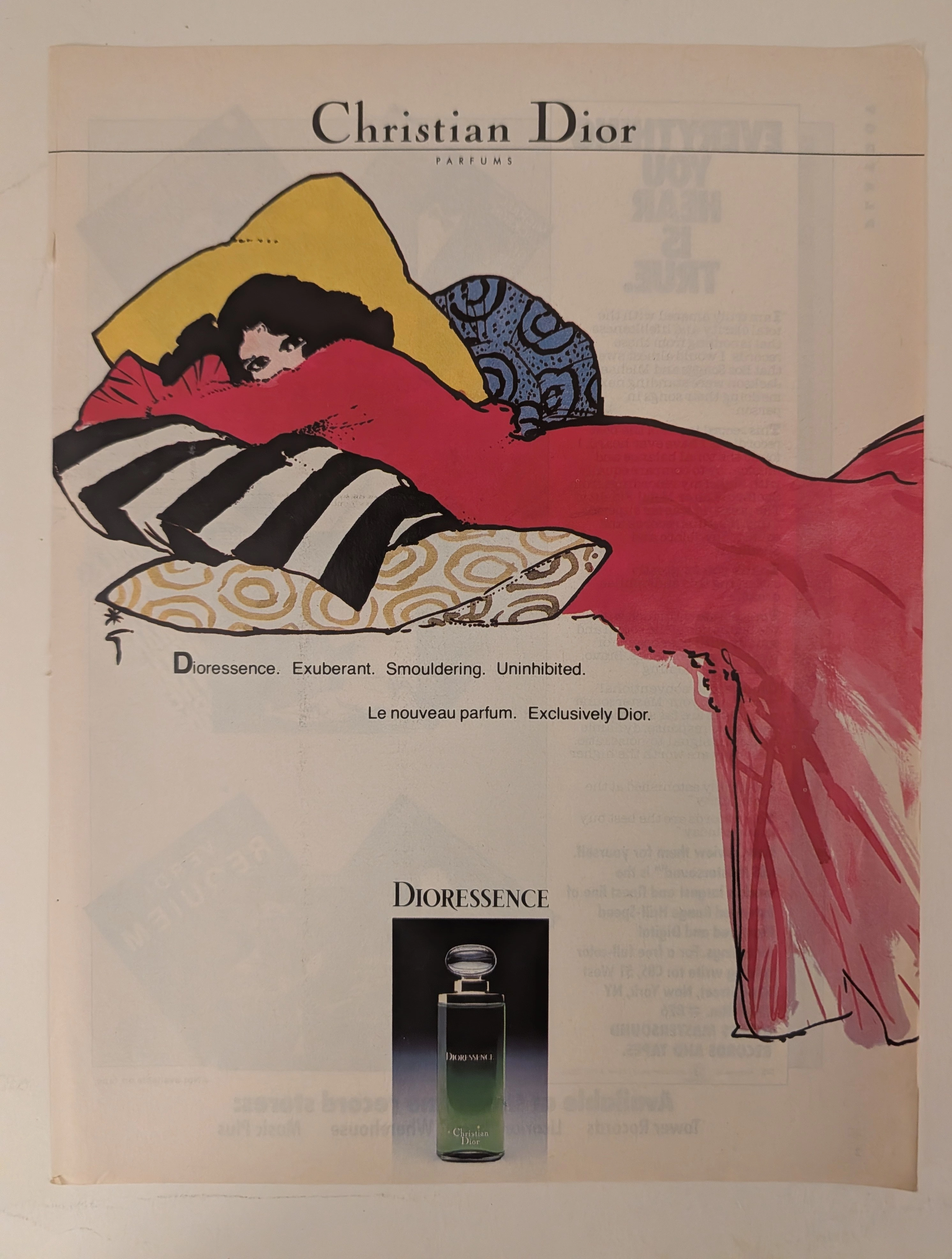
The Time Traveller's Dossier: The Stroke of Seduction – 1970s Christian Dior "Dioressence" Advertisement
History is not written; it is printed. Before digital algorithms dictated consumer desires, societal engineering was executed through the calculated geometry of the four-color offset press and the masterful stroke of an illustrator's brush. The historical artifact before us is not merely a fragrance advertisement; it is a weaponized blueprint of unapologetic female sensuality and a testament to the absolute zenith of French haute couture marketing. This museum-grade archival dossier presents an academic deconstruction of a vintage 1970s print advertisement for Christian Dior's "Dioressence" perfume. Operating on a profound binary structure, it documents a calculated paradigm shift within the global luxury fragrance industry. It illustrates the precise historical fracture where the polite, restrained elegance of post-war fashion transitioned into the bold, liberated, and sexually assertive era of the 1970s. Through the lens of late-analog commercial artistry—specifically the genius of René Gruau—and precise visual forensics, this document serves as a masterclass in psychological semiotics, establishing the visual tropes of the empowered, enigmatic woman that unconditionally dominate modern luxury branding.
THE TIME TRAVELER'S DOSSIER: THE MAGIC OF COLOR AND THE REVOLUTION OF HUMAN MEMORY
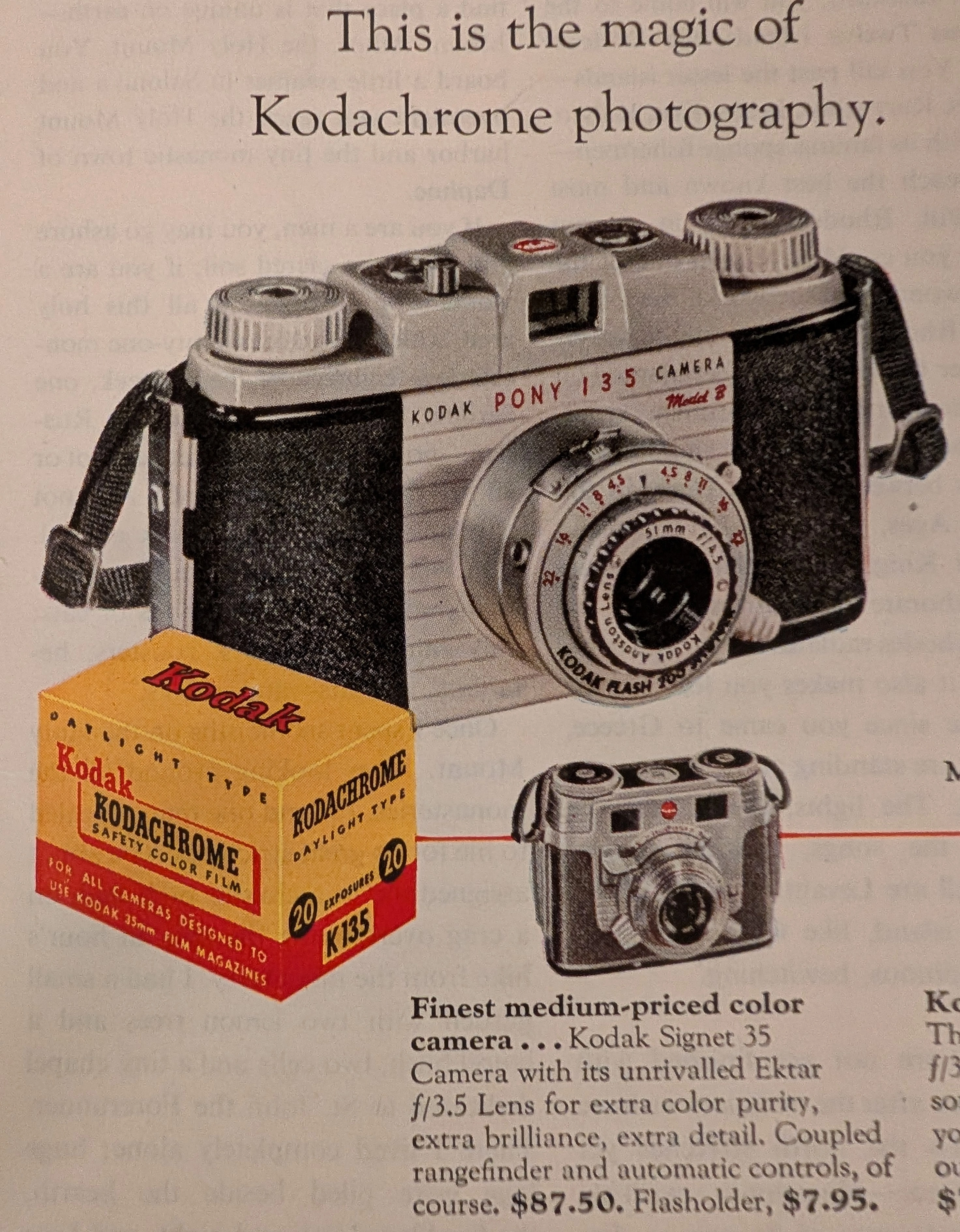
The artifact under exhaustive, uncompromising, and unprecedented museum-grade analysis is an exceptionally preserved Historical Relic originating from the absolute golden age of mid-century American consumer technology. This Primary Art Document is a monumental, full-page advertisement for Eastman Kodak Company, specifically promoting the legendary Kodachrome Film and its ecosystem of 35mm miniature cameras. Based on the featured camera models—the Kodak Pony 135 Model B, the Kodak Signet 35, and the Bantam RF—this artifact is forensically dated to the mid-1950s, specifically circa 1954–1955, extracted from a June issue of HOLIDAY magazine. This is not a mere camera advertisement; it is a profound "Sociological Blueprint of the Post-War American Dream." The headline, "This is the magic of Kodachrome Photography", encapsulates the technological democratization of color memory. Prior to this era, color photography was the exclusive domain of elite professionals. Kodachrome, with its iconic yellow and red box, transformed ordinary suburbanites into archivists of their own vibrant lives. The ad brilliantly sells not just hardware, but a deeply emotional ritual: the "home screen" slide projection. Visually anchored by the hyper-realistic red cardboard mount of the "KODACHROME TRANSPARENCY", the document is a masterclass in aspirational marketing. Rescued from the inevitable oblivion of disposable mass media, this pre-2000s analog artifact is a breathtaking embodiment of the Japanese aesthetic of wabi-sabi. Printed on inherently acidic wood-pulp paper, it exhibits a beautifully authentic jagged left binding edge, microscopic structural creasing, and a profound, warm amber oxidation across its entire surface. This unstoppable molecular death transforms a piece of mass-produced corporate propaganda into an irreplaceable, ready-to-frame Primary Art Document of photographic and sociological history.
The Time Traveller's Dossier: The Color Revolution – The 1968 Zenith Handcrafted Golden Jubilee and the Generational Shift in Consumer Electronics
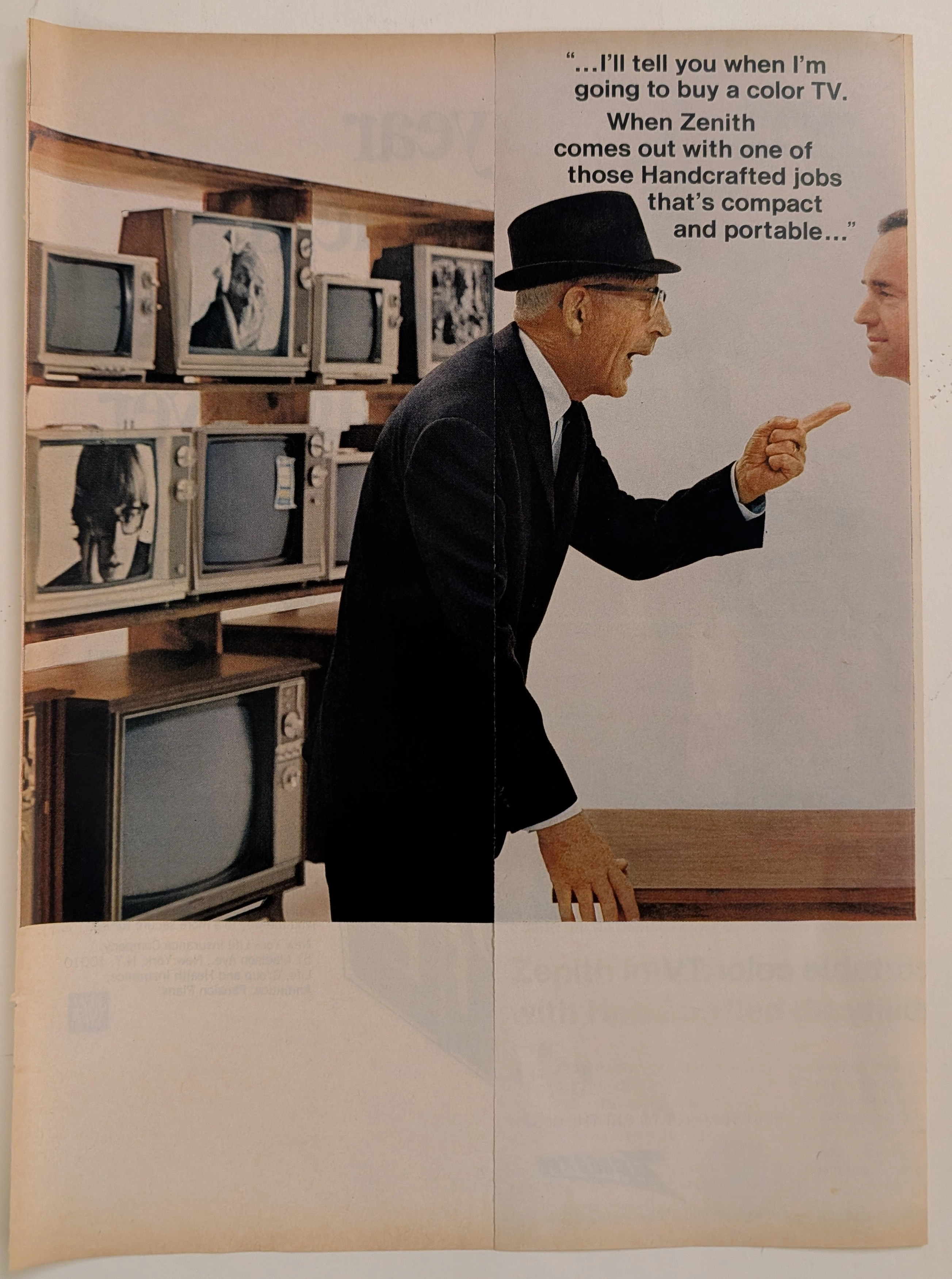
The evolution of the mid-twentieth-century American living room was fundamentally defined by the rapid, fiercely competitive technological arms race in consumer electronics. The historical artifact elegantly and securely positioned upon the analytical table of The Record Institute today is a striking, two-page centerfold print advertisement for the 1968 Zenith 14" Portable Color TV, originating from a highly transformative era in global broadcasting. This document completely transcends the standard, utilitarian boundaries of appliance marketing. It operates as a highly sophisticated, multi-layered cultural mirror, reflecting the precise era when American manufacturers had to psychologically persuade a cautious, older generation to adopt a radically new, expensive technology by anchoring it to traditional concepts of craftsmanship and reliability. This world-class, comprehensive dossier conducts a meticulous, unyielding, and exceptionally exhaustive examination of the artifact, operating under the absolute most rigorous parameters of historical, sociological, and material science evaluation. Dedicating the overwhelming majority of our analytical focus to its immense historical gravity, we will decode the brilliant marketing psychology embedded within the multi-page narrative of the "skeptical buyer," analyze the sociopolitical impact of Zenith's "Handcrafted" manufacturing philosophy during the rise of automation, and dissect the profound cultural semiotics of broadcasting the American pastime—baseball—in vivid color. Furthermore, as we venture deeply into the chemical and physical foundations of this analog printed ephemera, we will reveal the precise mechanical fingerprints of the CMYK halftone rosettes captured in the macro imagery of the television screen and corporate logos. Finally, we will assess its archival rarity, exploring how the graceful, natural oxidation of the paper substrate cultivates a serene wabi-sabi aesthetic—a natural, irreversible phenomenon that serves as the primary engine driving up its market value exponentially within the elite global spheres of Vintage Commercial Ephemera and Technology Archives.