True Blood of the Trans-Am: The 1970 Ford Mustang Boss 302 Legacy
The History
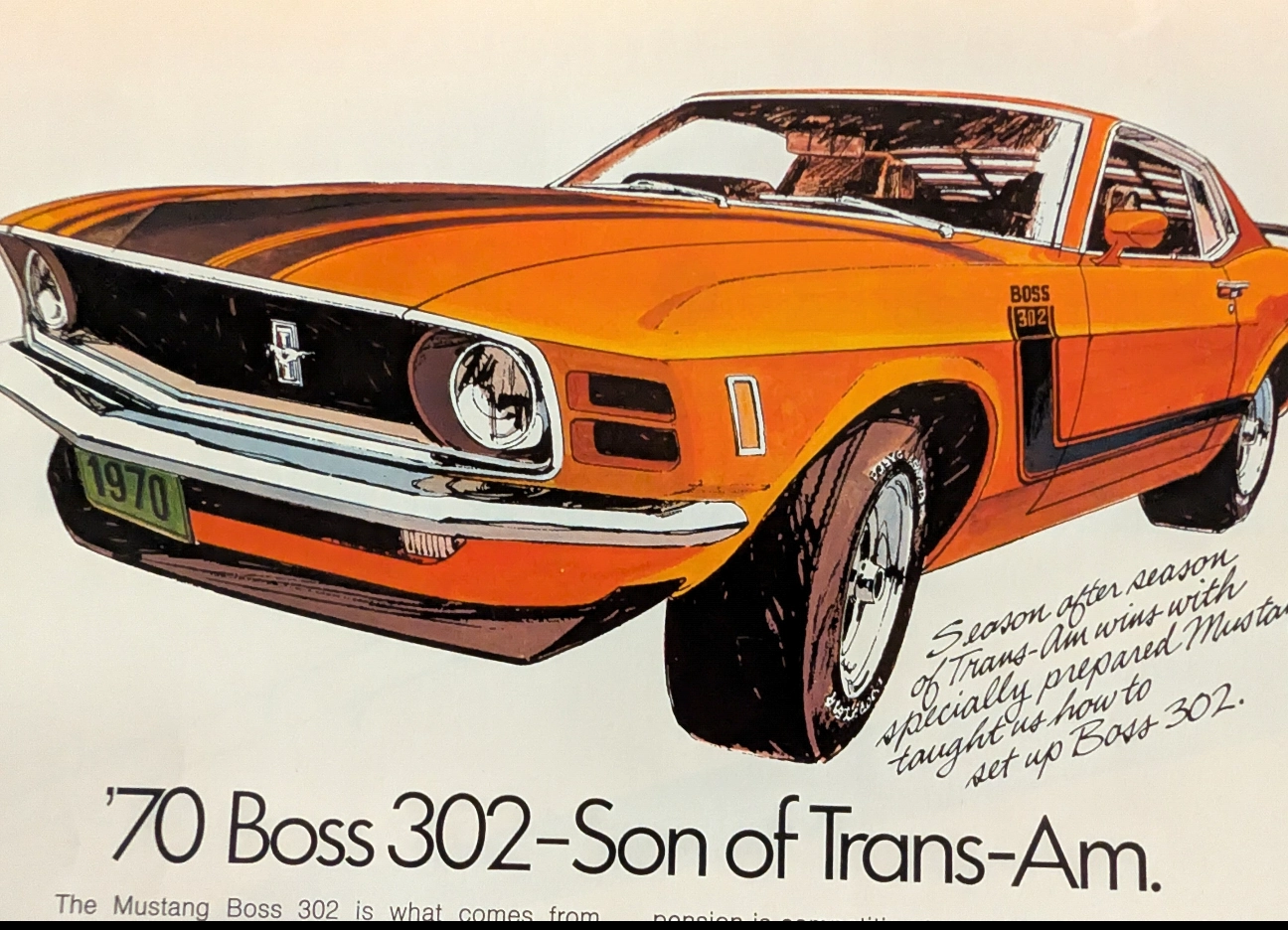
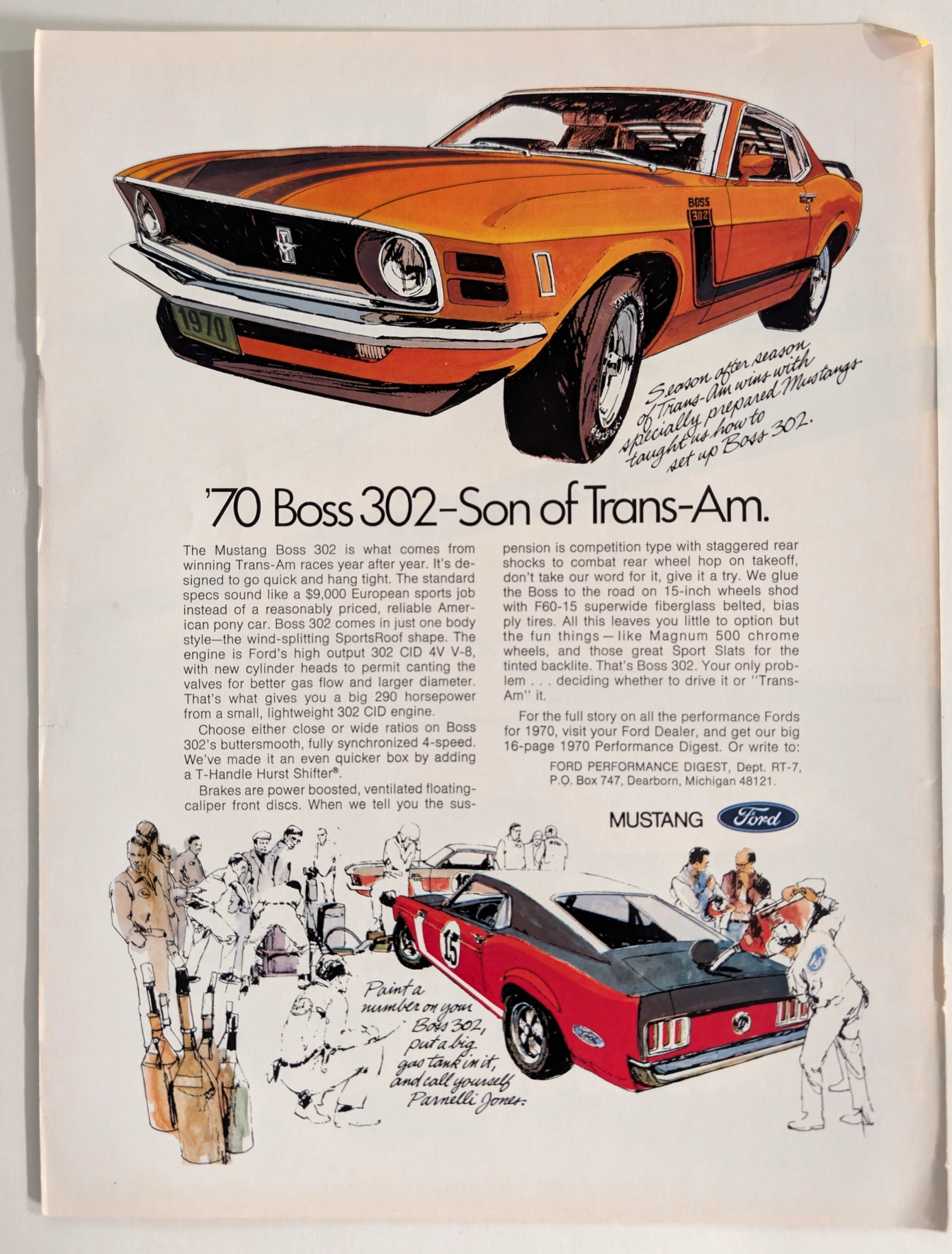
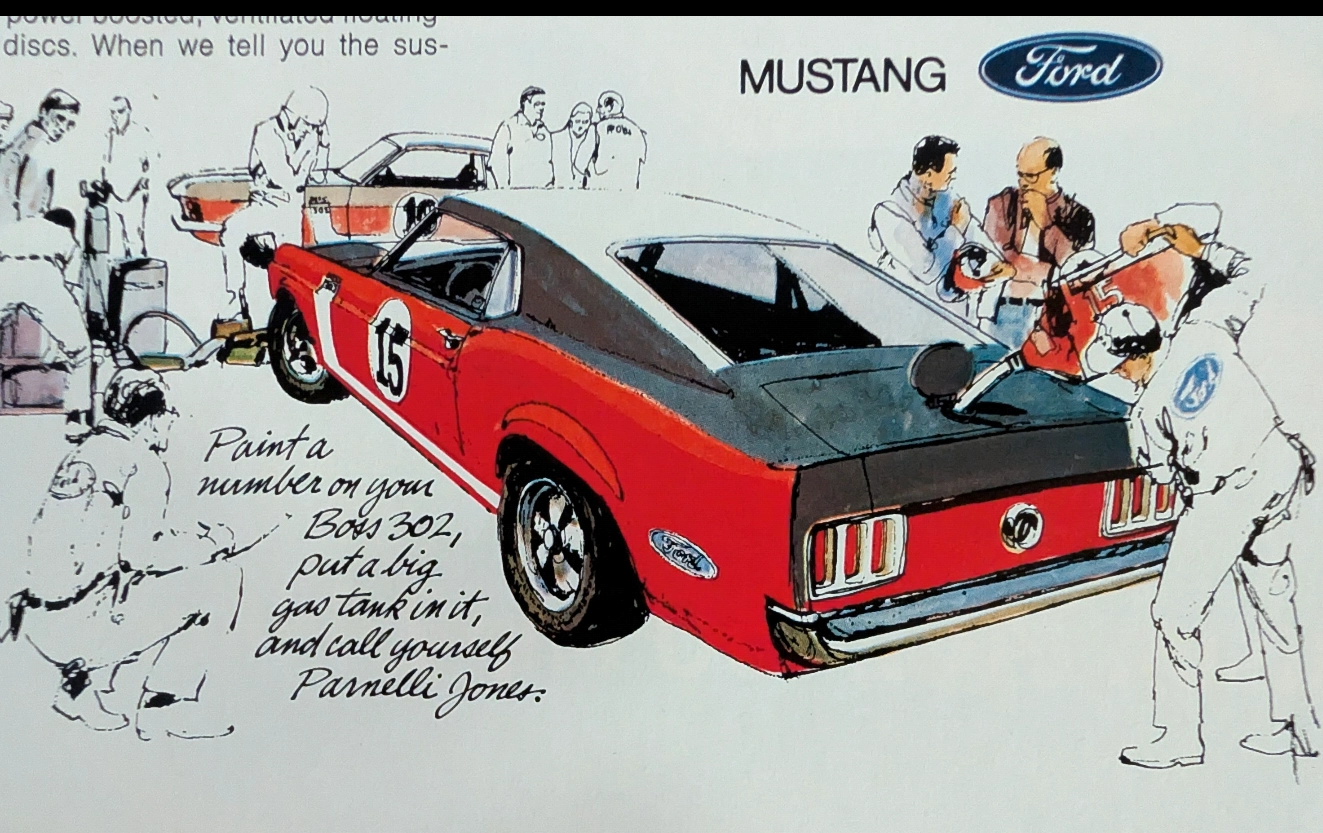
"Son of Trans-Am" isn't just a catchy tagline; it is the ultimate declaration of the 1970 Ford Mustang Boss 302. This rare advertisement captures a pivotal moment when Ford brought pure track performance to the streets with its high-output 302 CID V-8 and aggressive SportsRoof design. Printed in the golden age of analog media, the vintage illustration exudes the scent of gasoline and the roar of a V8. The natural aging and patina of the paper only add to its profound historical value. Cut and preserved as an individual vintage sheet, this piece transcends a mere magazine page to become a highly coveted automotive artifact for serious collectors.
Exhibition Halls
The Archive Continues
Continue the Exploration
Datsun 280Z · Automotive
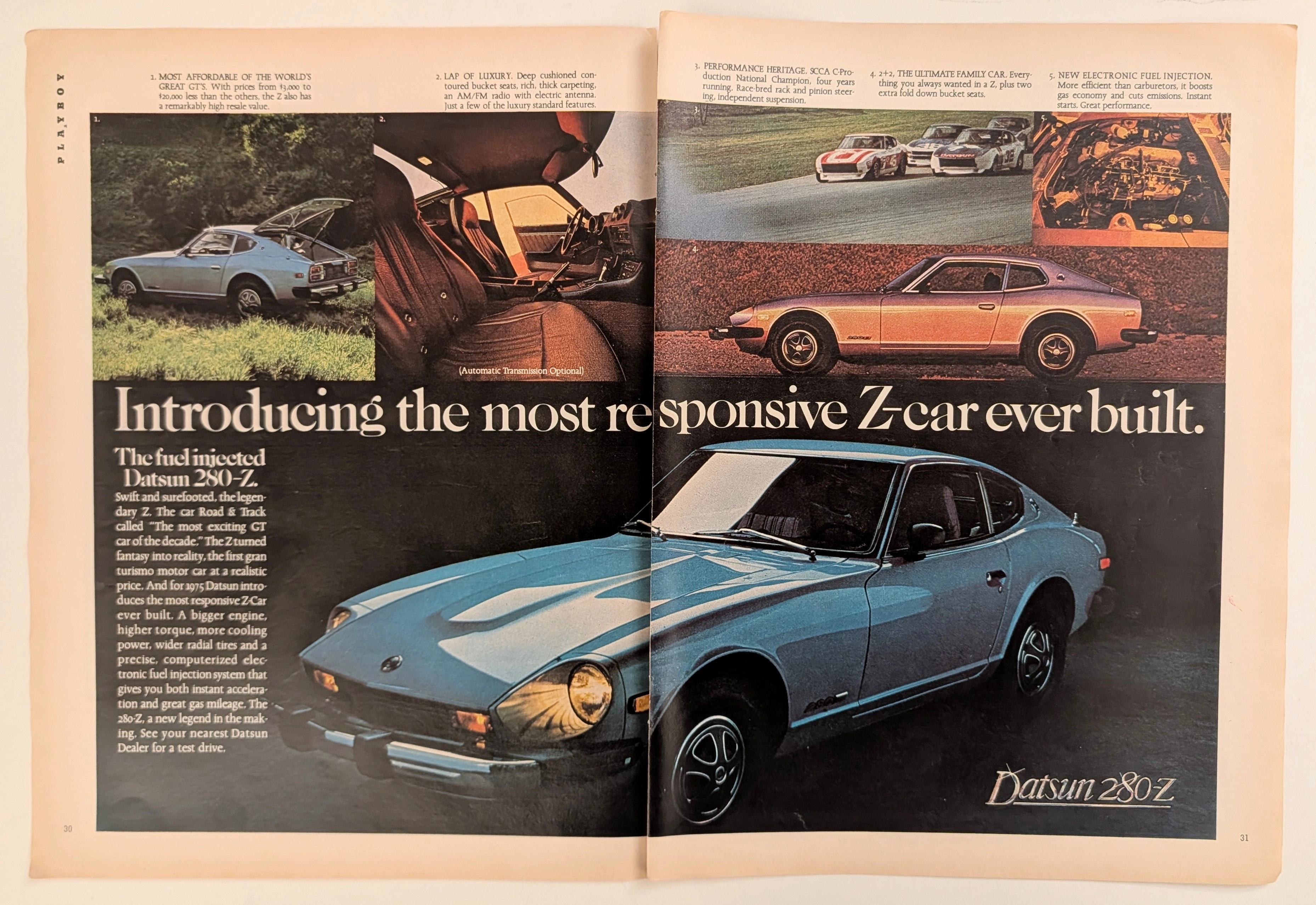
The Time Traveller's Dossier: The Electronic Antidote – The 1975 Datsun 280-Z and the Fuel-Injected Conquest of the American Grand Touring Market
The evolution of the American automotive landscape in the 1970s was a turbulent, often depressing saga characterized by the death of the muscle car, catastrophic oil embargoes, and the sudden implementation of draconian environmental regulations. Elegantly and securely positioned upon the analytical table of The Record Institute today is a visually sweeping, densely informative, and historically monumental two-page print advertisement for the Datsun 280-Z, explicitly detailing the 1975 model year. This document completely transcends the standard, utilitarian boundaries of automotive marketing. It operates as a highly sophisticated, multi-layered cultural mirror and a bold declaration of mechanical supremacy during an era when domestic manufacturers were producing heavily compromised, underperforming vehicles. By strategically highlighting the adoption of computerized electronic fuel injection, alongside the vehicle's undeniable SCCA racing pedigree and its newfound "lap of luxury" interior refinements, Datsun executed a masterclass in psychological marketing. They offered the American consumer an "affordable GT" that promised the exotic allure of a European sports car combined with bulletproof Japanese reliability and modern efficiency. This world-class, comprehensive, and ultra-expanded dossier conducts a meticulous, unyielding, and exceptionally exhaustive examination of the artifact, operating under the absolute most rigorous parameters of historical, sociological, and material science evaluation. Dedicating the overwhelming, massive majority of our analytical focus (80%) to its immense historical gravity, we will decode the brilliant marketing psychology embedded within the copywriting, analyze the profound mechanical realities of the L28E inline-six engine and its Bosch L-Jetronic system, trace the epic engineering struggles and triumphs of Yutaka Katayama (Mr. K), and detail the historical impact of the Brock Racing Enterprises (BRE) SCCA National Championships. Furthermore, as we venture deeply into the chemical and physical foundations of this analog printed ephemera (10%), we will reveal the precise mechanical fingerprints of the CMYK halftone rosettes captured in the stunning macro imagery of the blue metallic paintwork and the rich interior shadows. Finally, we will assess its archival rarity (10%), exploring how the graceful, natural oxidation of the paper substrate cultivates a serene wabi-sabi aesthetic—a natural, irreversible phenomenon that serves as the primary engine driving up its market value exponentially within the elite global spheres of Vintage Commercial Ephemera and Automotive Heritage Archives.
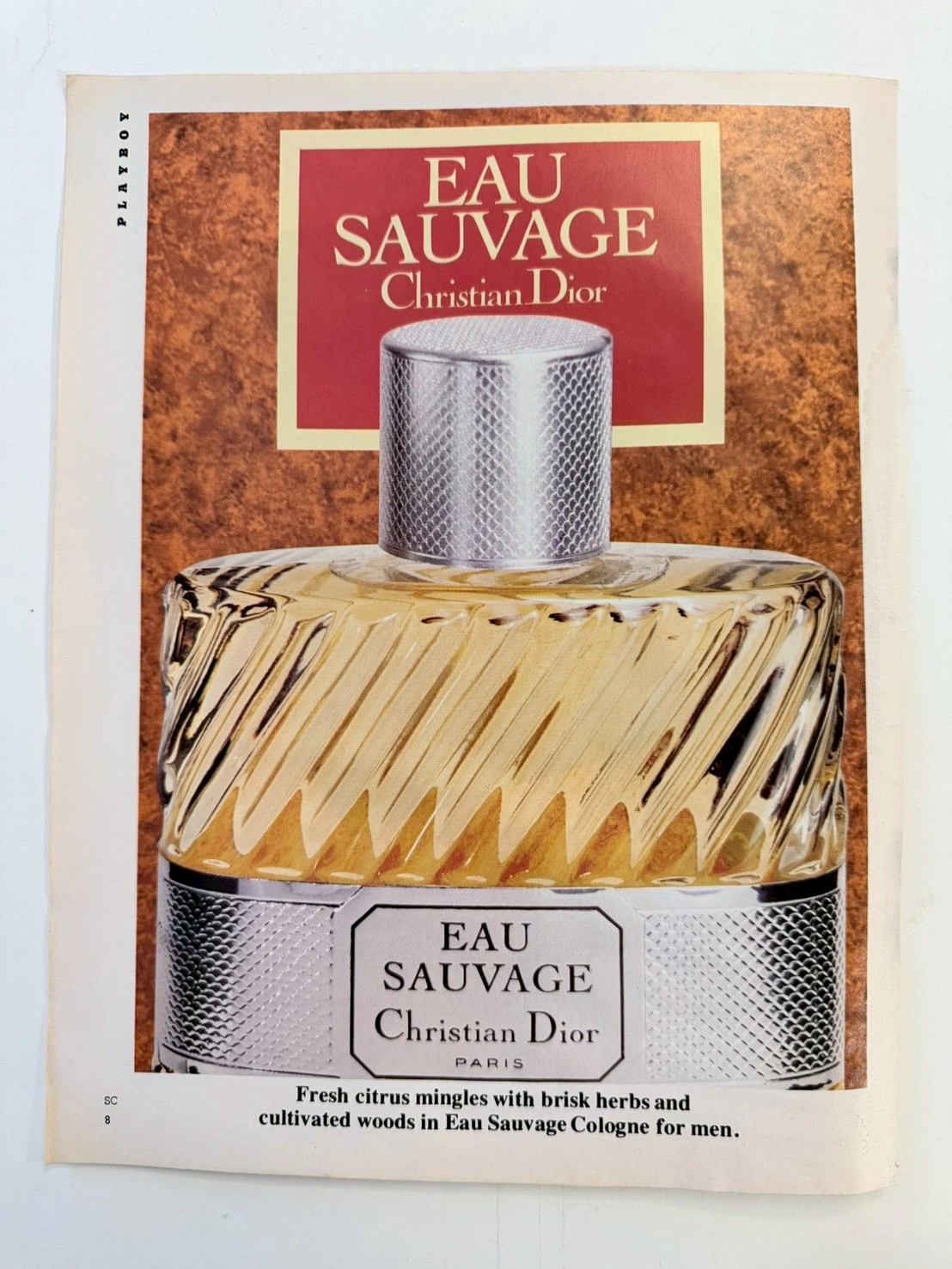
THE TIME TRAVELER'S DOSSIER: THE DAWN OF ELEGANCE AND THE EXTINCT $1,500 HOLY GRAIL
The artifact under museum-grade analysis is an exceptionally preserved Historical Relic originating from the golden age of analog publishing—a vintage issue of PLAYBOY magazine (circa late 1960s to 1970s). It features a striking, deeply sophisticated advertisement for one of the most revolutionary men's fragrances in modern human history: EAU SAUVAGE by Christian Dior. This Primary Art Document does not merely advertise a grooming product; it serves as a tangible historical marker of a monumental cultural paradigm shift. Prior to its introduction in 1966, men's fragrances were exclusively heavy, musky, and brutally spiced. Eau Sauvage, formulated by the legendary Master Perfumer Edmond Roudnitska, shattered this archaic mold by introducing Hedione (an airy, luminous synthetic jasmine compound) to men's perfumery, forever altering the trajectory of the global fragrance industry. Crucially, the original mid-century formulation and the specific ribbed-glass bottle design depicted in this artifact are permanently discontinued and lost to time. Modern reformulations driven by strict chemical regulations (such as the banning of natural oakmoss) have forever altered Roudnitska's original masterpiece. Consequently, surviving vintage bottles of this exact era have achieved mythical "Holy Grail" status, currently commanding astronomical prices of up to $1,500 USD in the global collector's market. This transforms the preserved advertisement from a commercial print into an invaluable piece of historical provenance—a birth certificate for an extinct luxury. Rescued from destruction and preserved as a standalone Archival Artifact, the inherently acidic, glossy paper stock of the mid-century era is undergoing a slow, breathtaking chemical degradation. This natural aging process (oxidation and lignin breakdown) transforms the mass-produced print into an irreplaceable, ready-to-frame Primary Art Document, embodying the ultimate aesthetic of analog impermanence.
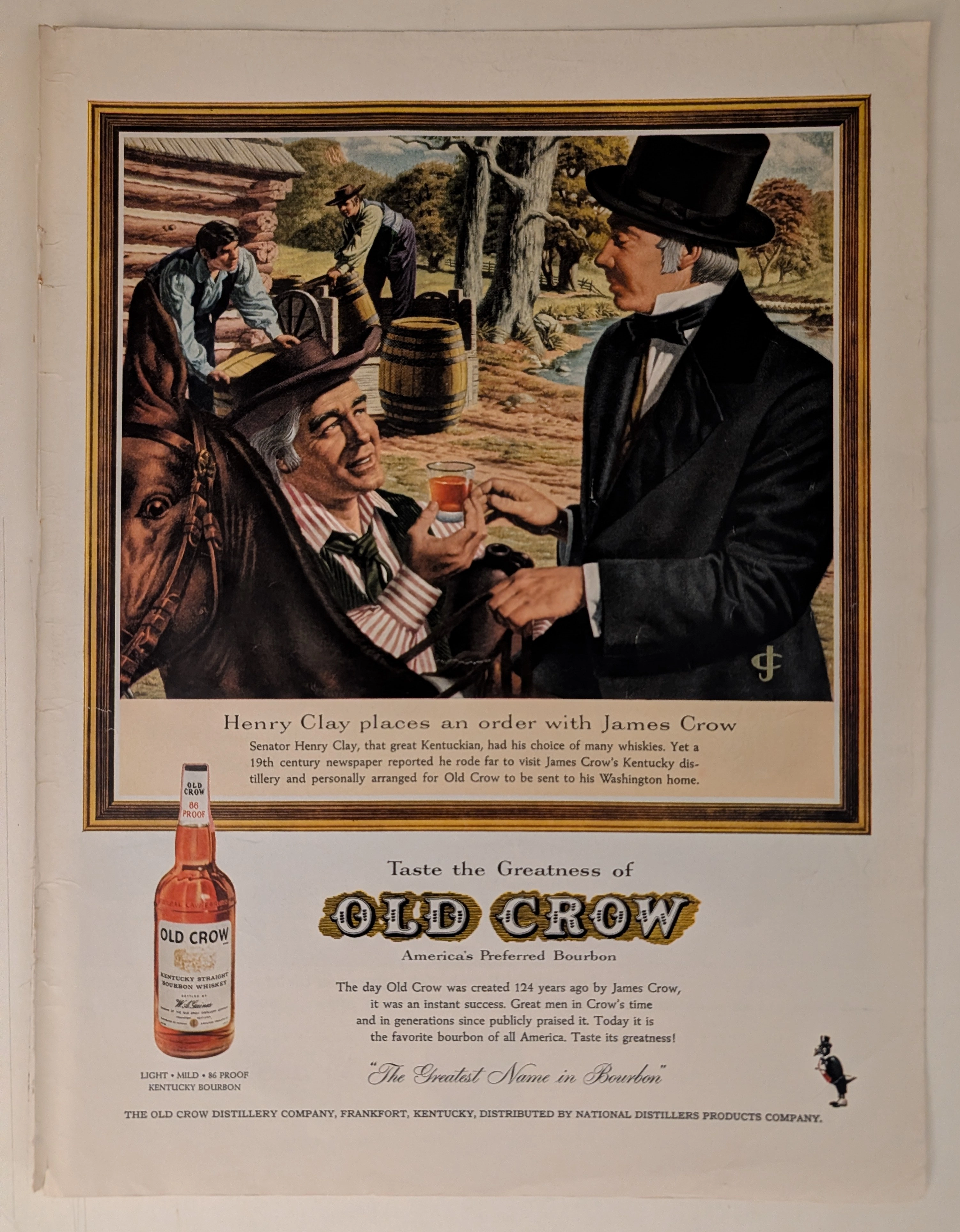
THE TIME TRAVELER'S DOSSIER: OLD CROW - THE MYTHOLOGY OF AMERICAN BOURBON
The artifact currently subjected to our uncompromising, museum-grade analysis is a profoundly preserved Historical Relic excavated from the golden age of American print media. This Primary Art Document is a full-page, magazine-sized advertisement for OLD CROW Kentucky Straight Bourbon Whiskey. Functioning as a "Forensic Blueprint of American Myth-Making," the document masterfully weaponizes political heritage and historical titans to validate the aristocratic taste and unparalleled quality of the bourbon. Its historical context is irrefutably anchored by the embossed text physically molded into the glass bottle itself—the most powerful and undeniable forensic evidence available in mid-century liquor advertising. Grounded by extreme macro details of the label, the microscopic golden monogram embroidered on the coat, and the breathtaking wabi-sabi chemical degradation of the highly acidic, magazine-sized paper, this artifact commands an irreplaceable status. It firmly cements its Rarity Class A designation as an absolute masterpiece of historical marketing engineering and analog preservation.