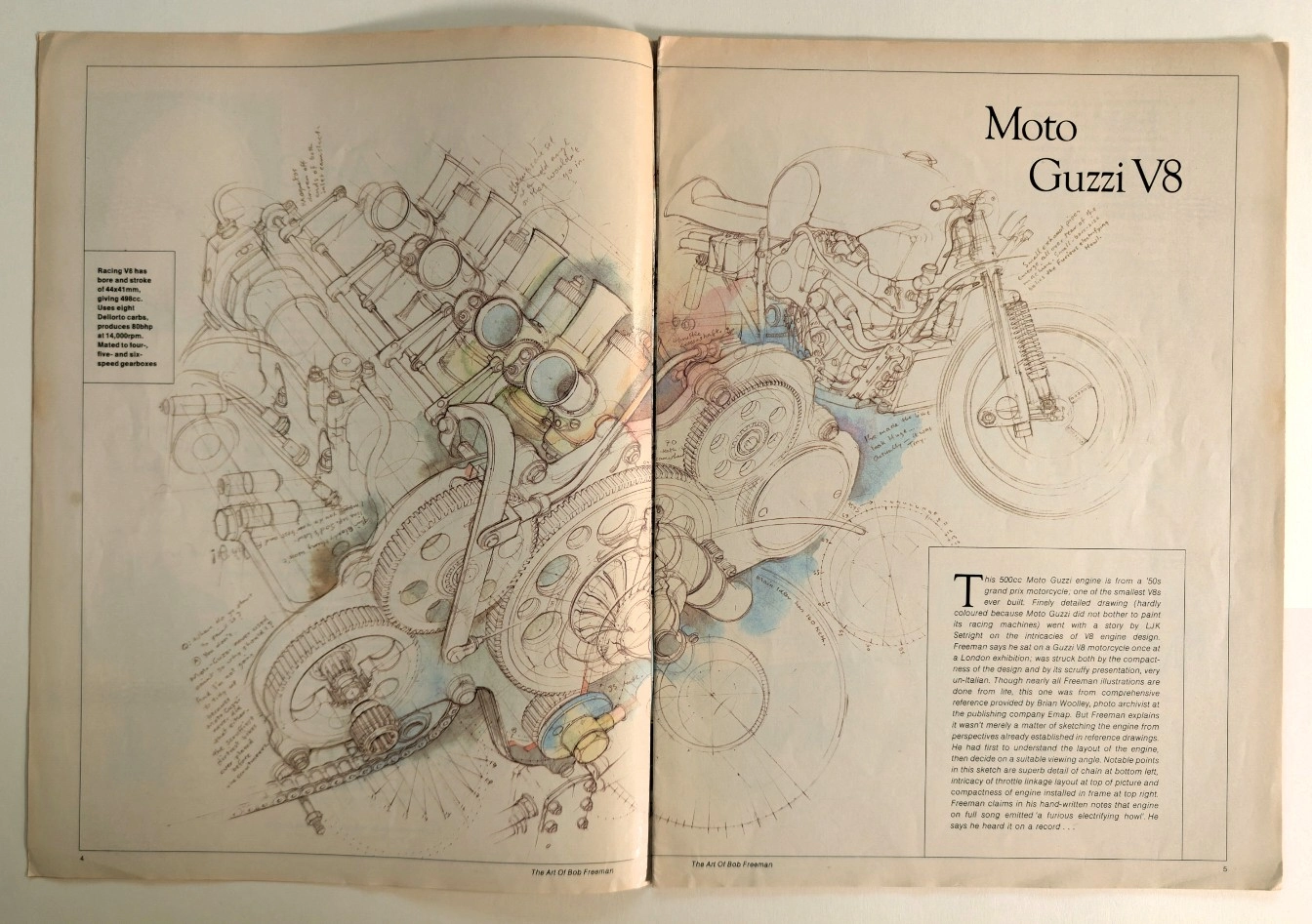
Anatomy of a Monster: The Moto Guzzi V8 Technical Masterpiece — The Record Institute JournalAnatomy of a Monster: The Moto Guzzi V8 Technical Masterpiece — The Record Institute JournalAnatomy of a Monster: The Moto Guzzi V8 Technical Masterpiece — The Record Institute Journal
1 / 3

✦ 3 Photos — Click any image to view in high resolution

February 22, 2026

Anatomy of a Monster: The Moto Guzzi V8 Technical Masterpiece

Archive Views: 32
Heritage AdvertisementsTechnology & Electronics

The History

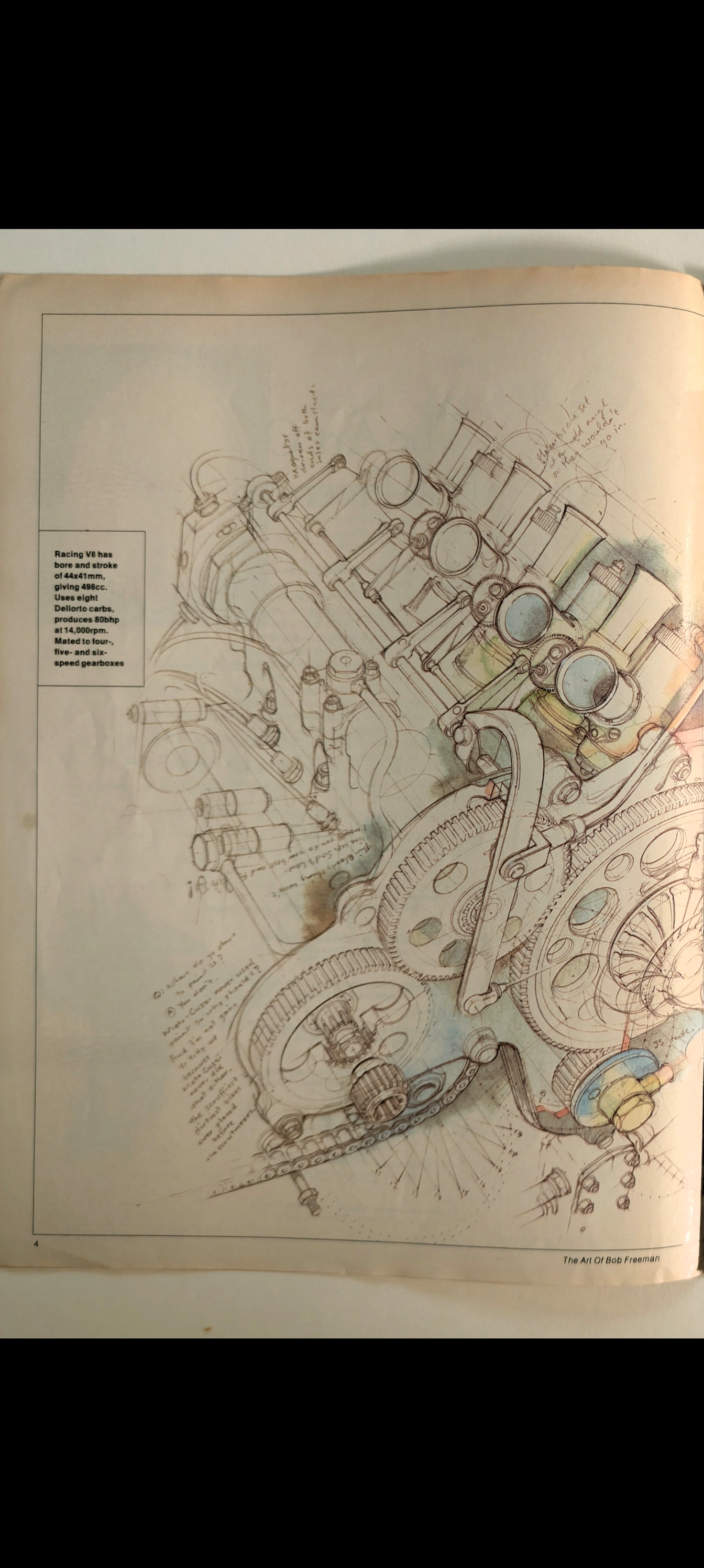
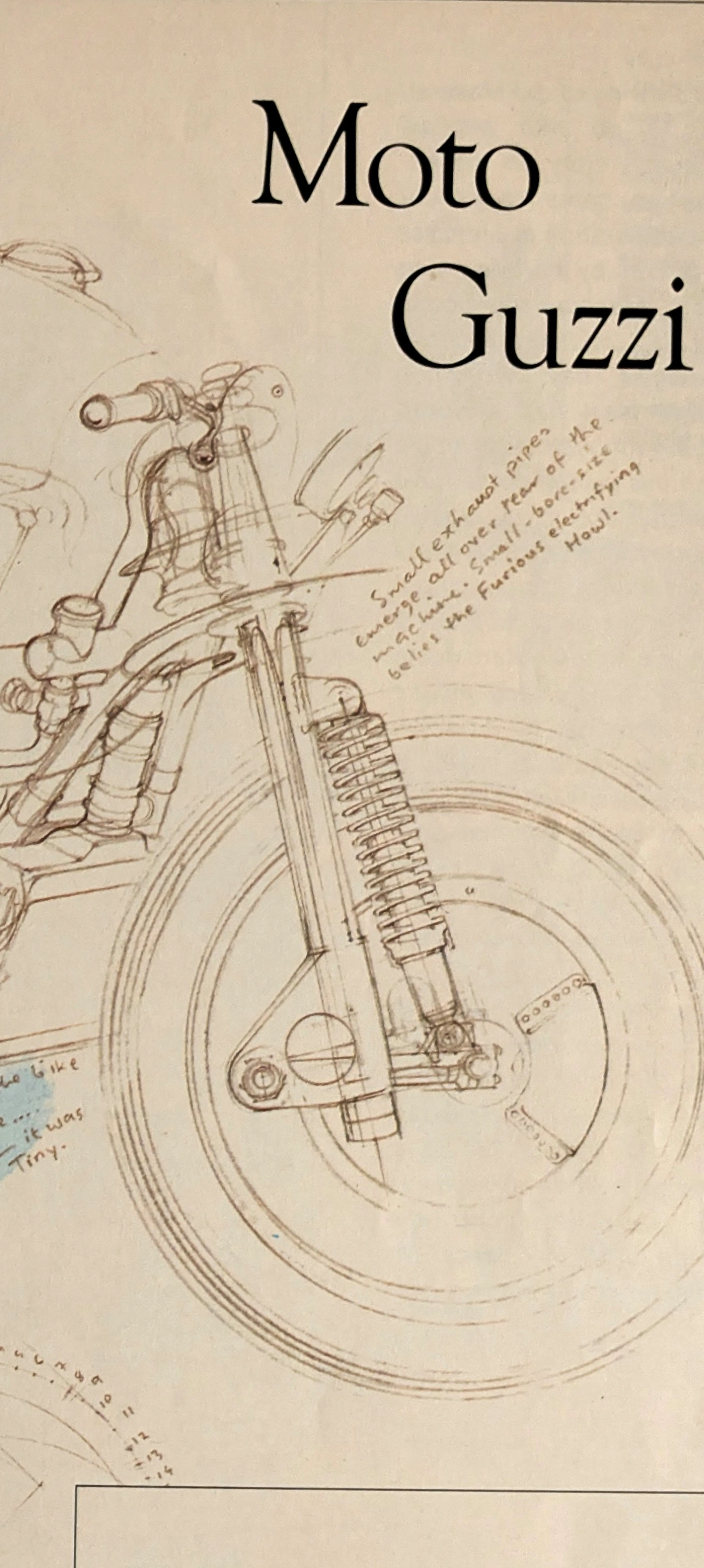
This is no ordinary sketch; it is the "blueprint of a mechanical soul." This double-page spread transports us back to the golden era of pre-2000 analog publishing. The intricate pen strokes and color accents detailing the 499cc V8 engine (producing 80bhp at 14,000rpm) are absolutely breathtaking. The natural degradation of the paper, including visible foxing and authentic moisture stains, serves to validate its vintage pedigree. When carefully extracted and cut as a single sheet, this piece transforms into a Museum Grade artifact, highly coveted by classic motorcycle archivists who appreciate the raw, tactile history of analog print.

Share This Archive

The Archive Continues

Continue the Exploration
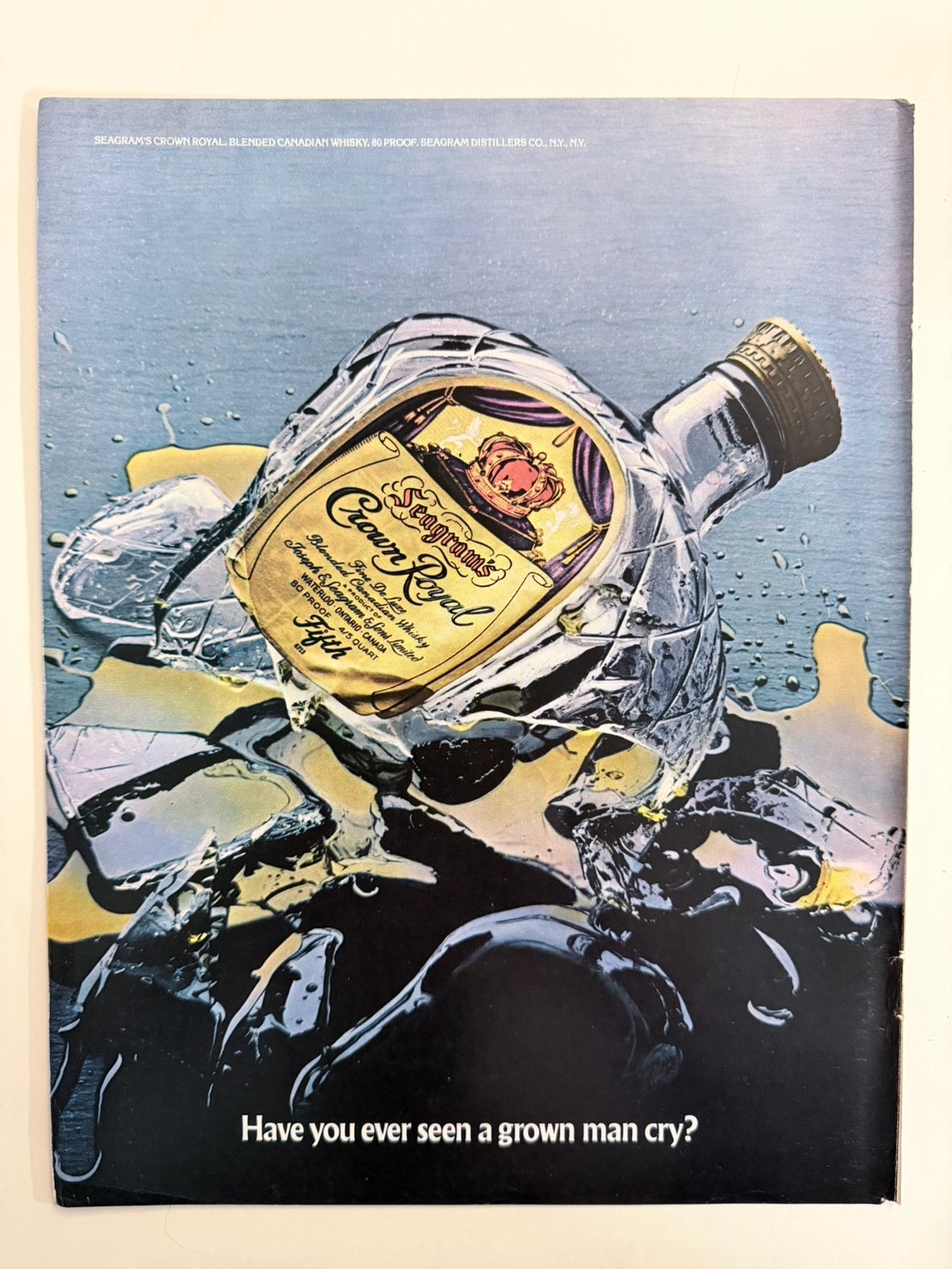
Vintage 70s Crown Royal Ad: Vanishing Analog Art | The Record

Vintage 70s Crown Royal Ad: Vanishing Analog Art | The Record

An in-depth look at the priceless 1970s Crown Royal "Have you ever seen a grown man cry?" advertisement. A masterpiece of authentic analog photography on degrading vintage paper, driving up the value of this original print as global supply inevitably shrinks.
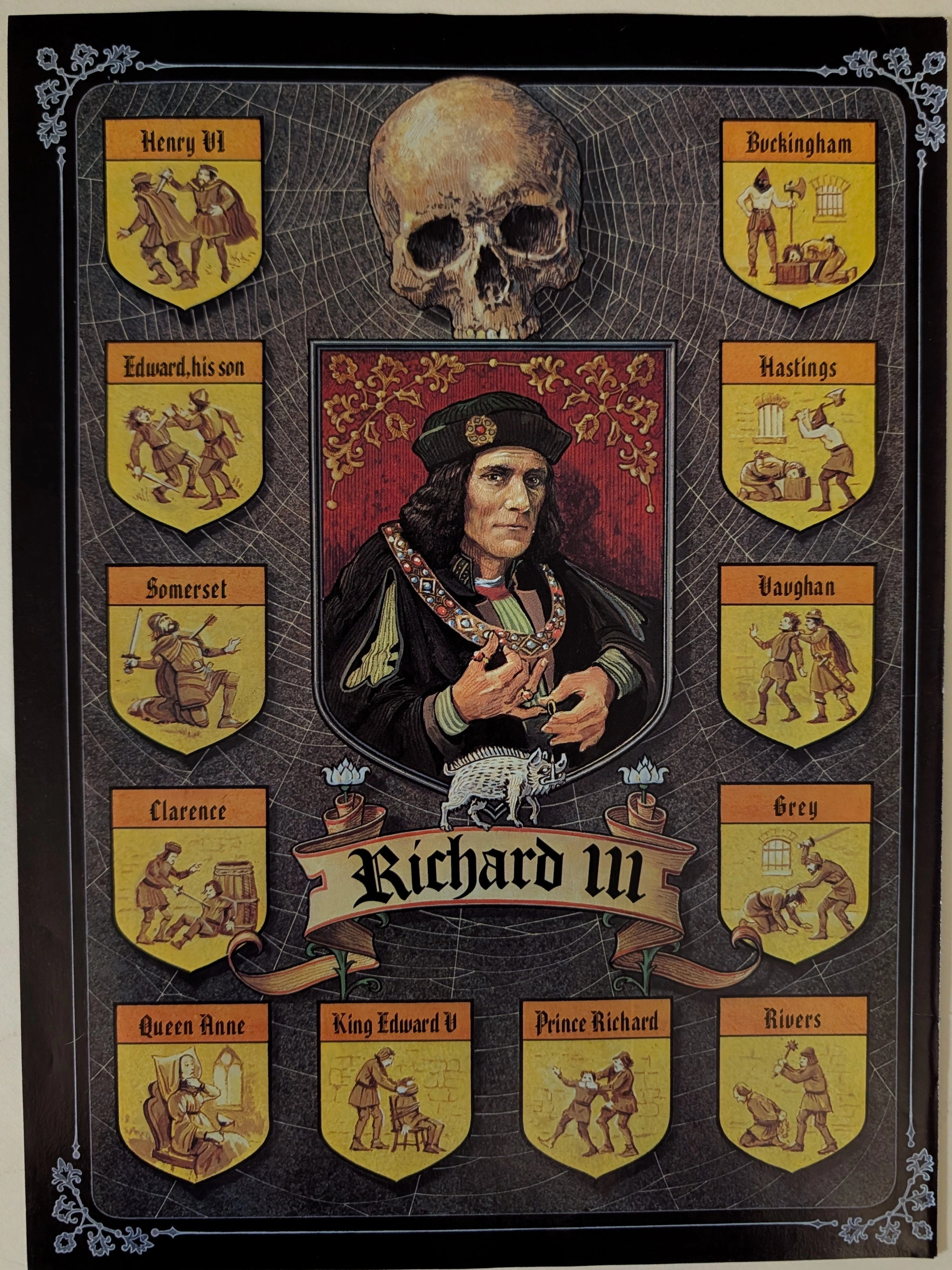
The Time Traveller’s Dossier: Circa 1970s Shakespearean Richard III Vintage Illustration — The Tudor Web of Blood

The Time Traveller’s Dossier: Circa 1970s Shakespearean Richard III Vintage Illustration — The Tudor Web of Blood

Delve into the archives to explore this definitive Circa 1970s Shakespearean Richard III vintage illustration, a profoundly dark and historically layered piece of theatrical and literary art. Likely produced as an educational broadside or promotional poster for a mid-to-late 20th-century theatrical run, this piece transcends basic historical depiction, serving instead as a macabre visual map of the corpse-paved path to the English throne as dramatized by William Shakespeare. For collectors of Gothic art, literary ephemera, and vintage ads, this artifact stands as a masterful intersection of historical reverence and narrative design. Unlike standard old advertisements or classic print ads that promote consumer goods, this illustration acts as a haunting visual codex of the "Tudor Myth." Its preservation of chilling literary iconography makes it a highly coveted piece of specialized print ephemera, capturing the visceral dread of Shakespeare's most infamous usurper.
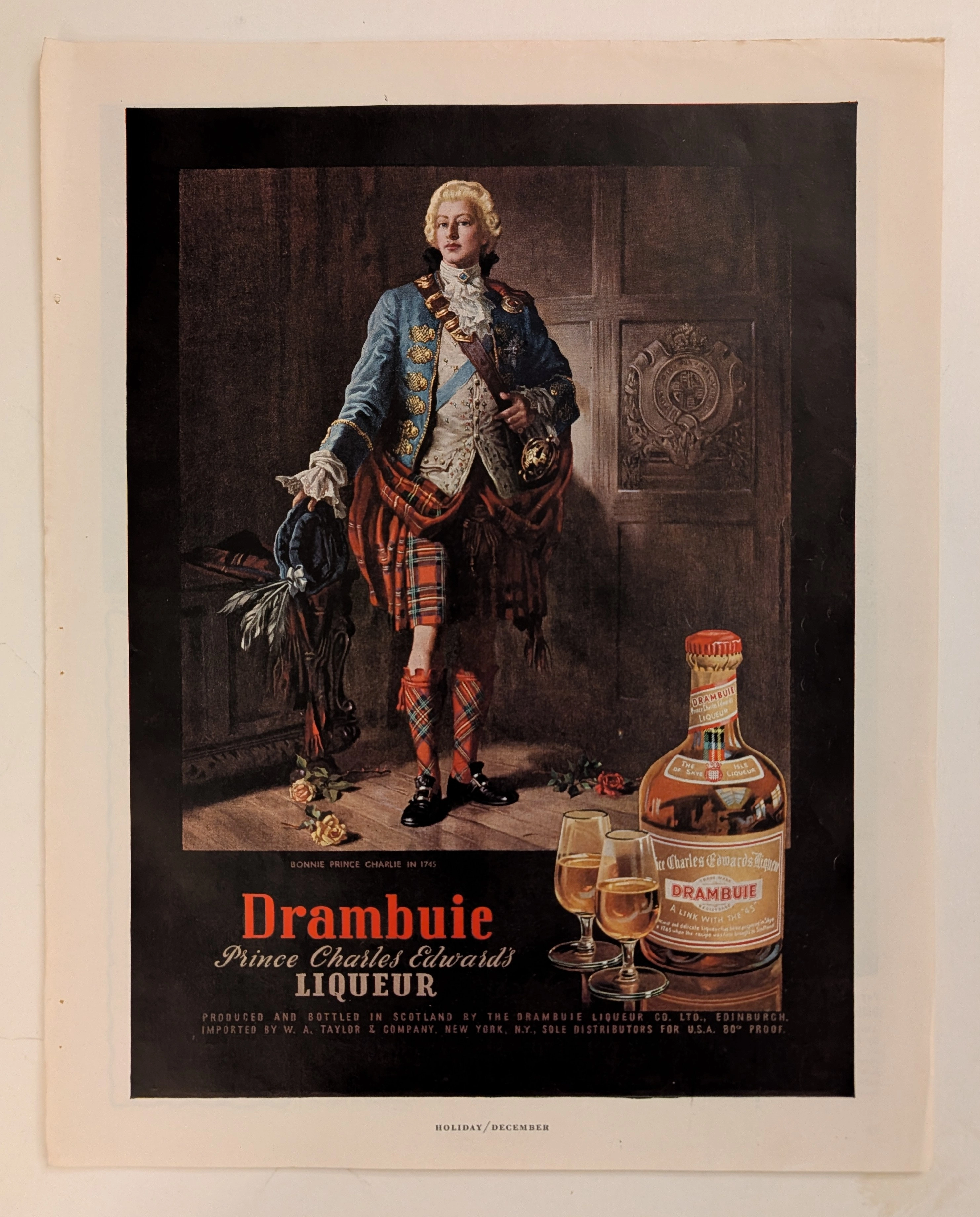
The Time Traveller's Dossier: The Alchemy of Royal Rebellion – Drambuie "Bonnie Prince Charlie" Advertisement (Circa Mid-20th Century)

Drambuie · Beverage

The Time Traveller's Dossier: The Alchemy of Royal Rebellion – Drambuie "Bonnie Prince Charlie" Advertisement (Circa Mid-20th Century)

History is rarely an objective chronicle of facts; it is a malleable narrative, continually rewritten, romanticized, and ultimately weaponized by those seeking to legitimize their power or, in the modern era, their products. Long before digital algorithms could synthesize artificial heritage, the supreme manifestation of corporate alchemy was executed through the calculated precision of the four-color offset press and the appropriation of historical iconography. The artifact presented before us is not merely a vintage magazine tear sheet selling a Scottish liqueur. It is a masterclass in the commodification of myth, a visual distillation of romantic rebellion, and a foundational blueprint for what is now known as "Heritage Branding." This museum-grade, academic archival dossier presents an exhaustive, microscopic deconstruction of a mid-20th-century print advertisement for Drambuie Liqueur. Operating on a profound binary structure, this document records a calculated paradigm shift within the global spirits industry. It captures the precise historical fracture where a highly specific, geographically isolated alcoholic beverage was conceptually transmuted into a literal draught of royal rebellion and aristocratic romance. Through the highly specialized lens of late-analog commercial artistry and stringent visual forensics, this document serves as a masterclass in psychological marketing. It established the foundational archetype for linking the consumption of a physical product with the ingestion of an epic, historical fantasy—an archetype that unconditionally dictates the visual and strategic totems of the modern luxury spirits industry today.
Published by

The Record Institute

Taxonomy Match

Related Articles

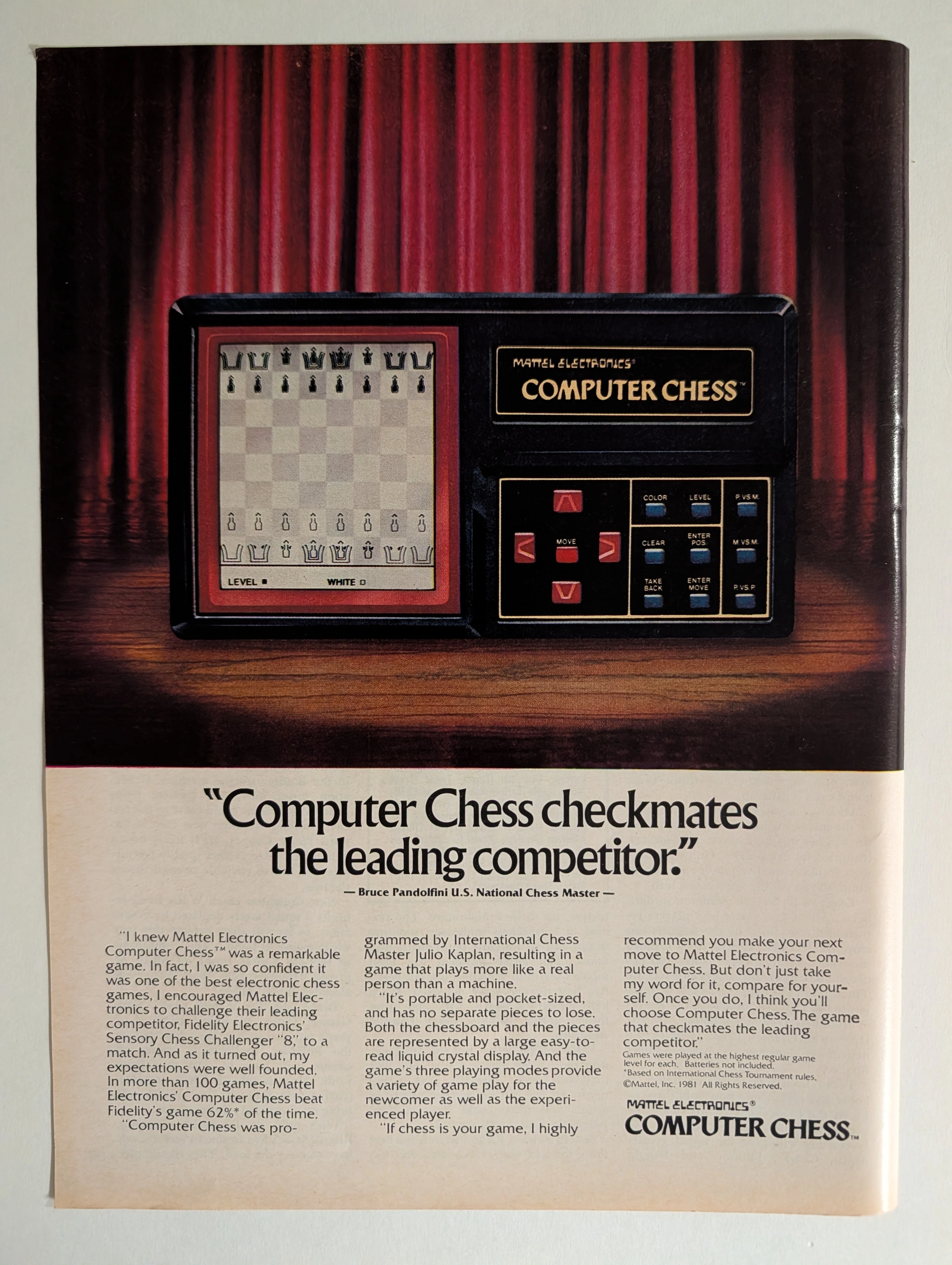
Mattel Electronics Computer Chess 1981 Full-Page Ad | Bruce Pandolfini | Julio Kaplan | Chess AI History | Deep Analysis Rarity Class A — related article
Read Article

Mattel Electronics Computer Chess 1981 Full-Page Ad | Bruce Pandolfini | Julio Kaplan | Chess AI History | Deep Analysis Rarity Class A

The advertisement analyzed here is a full-page full-color magazine advertisement for the Mattel Electronics Computer Chess™ handheld/tabletop electronic game, copyright © Mattel, Inc. 1981. The ad ran in major American consumer magazines during 1981–1982 — the golden apex of the first electronic game boom. It features a dramatic theatrical photograph of the device spotlit against red velvet curtains on a wooden stage, with a bold competitive claim endorsed by U.S. National Chess Master Bruce Pandolfini: that Mattel's Computer Chess beat Fidelity Electronics' Sensory Chess Challenger '8' in more than 62% of over 100 head-to-head games. The ad also credits International Chess Master Julio Kaplan as programmer. This single page represents the intersection of early consumer AI history, 1980s toy advertising at its most theatrical, and a pivotal moment in the chess-computer arms race that prefigured Deep Blue.

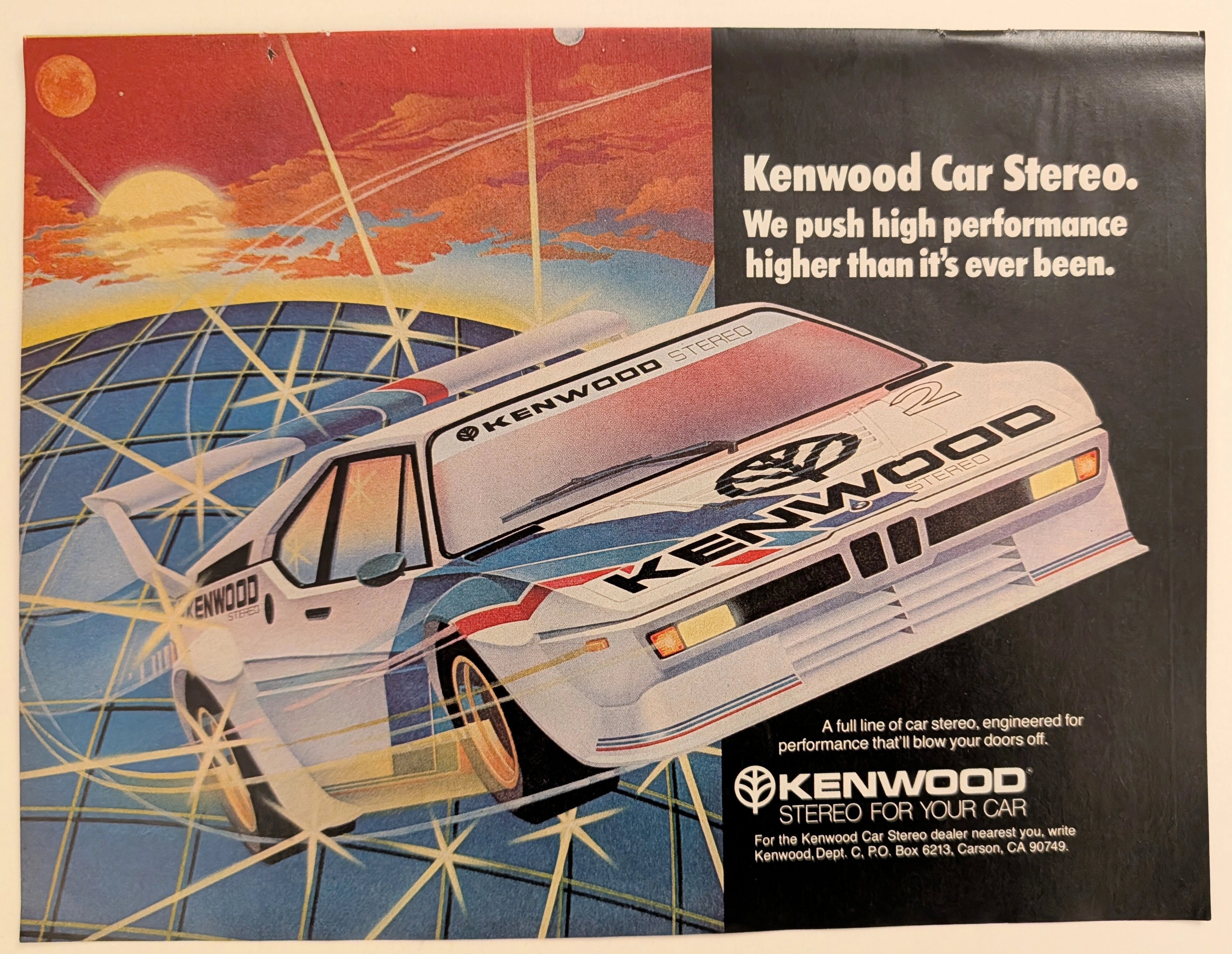
The Time Traveller's Dossier: Gridline Velocity – Kenwood Car Stereo and the Cybernetic Dawn of Automotive High-Fidelity — related article
Read Article

The Time Traveller's Dossier: Gridline Velocity – Kenwood Car Stereo and the Cybernetic Dawn of Automotive High-Fidelity

The evolution of 1980s American consumer electronics was fundamentally defined by the aggressive pursuit of portable and automotive high-fidelity sound. Elegantly and securely positioned upon the analytical table of The Record Institute today is a visually arresting, neon-drenched full-page print advertisement for Kenwood Car Stereo. This document completely transcends the standard, utilitarian boundaries of automotive accessory marketing. It operates as a highly sophisticated cultural mirror, reflecting a precise era in consumer psychology where auditory power was directly equated with vehicular performance. By utilizing a breathtaking, airbrushed illustration of a futuristic, aerodynamic race car accelerating over a cybernetic gridscape, Kenwood brilliantly positioned its audio equipment not just as radios, but as extreme, high-octane performance upgrades capable of generating sound that will literally "blow your doors off." This world-class, comprehensive dossier conducts a meticulous, unyielding, and exceptionally exhaustive examination of the artifact, operating under the absolute most rigorous parameters of historical, sociological, and material science evaluation. Dedicating the overwhelming majority of our analytical focus (80%) to its immense historical gravity, we will decode the brilliant marketing psychology embedded within the "neon grid" visual narrative, analyze the profound cultural shift toward aftermarket car audio customization, and dissect the aggressive, performance-based copywriting. Furthermore, as we venture deeply into the chemical and physical foundations of this analog printed ephemera (10%), we will reveal the precise mechanical fingerprints of the CMYK halftone rosettes captured in the stunning macro imagery of the airbrushed car. Finally, we will assess its archival rarity (10%), exploring how the graceful, natural oxidation of the paper substrate cultivates a serene wabi-sabi aesthetic—a natural, irreversible phenomenon that serves as the primary engine driving up its market value exponentially within the elite global spheres of Vintage Commercial Ephemera, Audio History, and Outrun/Synthwave Art Archives.